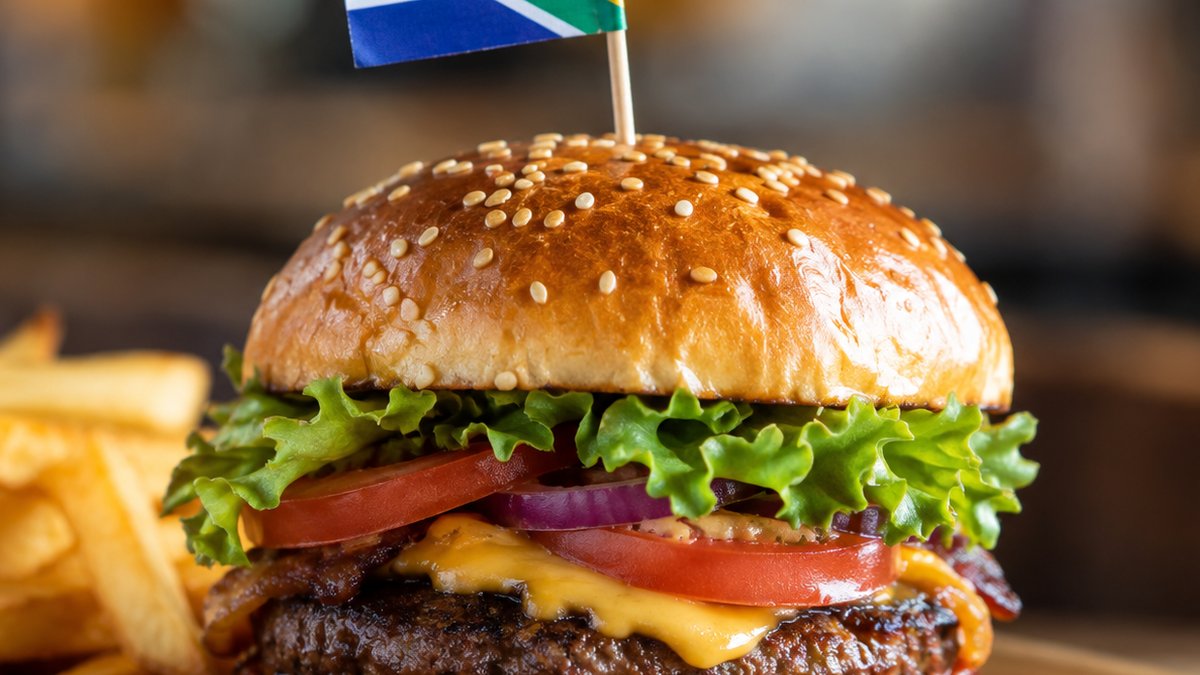
The hamburger’s global journey began as a simple adaptation of Hamburg steak, carried to America by European settlers. Over time, it evolved into a cornerstone of modern dining, meeting the demands of fast-paced urban life with its affordability and ease. However, its true evolution arrived with the fast-food revolution.
White Castle and McDonald’s did more than sell burgers—they created a standardized dining experience. Customers trusted that every visit would deliver the same quality, turning the burger into a dependable part of daily life. Reliability became the product’s defining trait.
Yet the industry later leaned into excess. Brioche buns, truffle-infused sauces, and unconventional fillings like pulled pork dominated menus. For a period, the focus shifted to how many ingredients could be crammed between bread slices. But consumer tastes have since returned to simplicity. Cleaner menus—featuring well-sourced meat, sturdy buns, fresh lettuce, and straightforward seasoning, now lead the market.
South Africa’s burger scene embodies this duality. Local adaptations merge American fast food with global culinary trends and the country’s beloved braai tradition. Smash burgers and grilled patties prove the format can modernize without abandoning its core identity.
The hamburger’s lasting appeal lies in its adaptability. It thrives across price points, from budget drive-thrus to high-end restaurants, and across styles, from classic recipes to inventive twists. What sustains it isn’t complexity but precision. Mastering the basics ensures its survival, while gimmicks fade.
Profit often follows simplicity in hospitality. A burger doesn’t require luxury ingredients to succeed, only quality execution. This principle applies equally to fast-food chains and fine-dining establishments.
A struggling Johannesburg restaurant discovered this firsthand. After slashing its 12-item burger menu to three core options, a beef patty, a spicy chicken version, and a vegetarian alternative, foot traffic climbed by 30% in half a year. Patrons prioritized consistency over novelty.
Even premium burger spots now champion back-to-basics approaches. A Michelin-starred chef in Cape Town launched a burger-only pop-up, marketed as the city’s most straightforward meal. The event drew long lines, proving that confidence in fundamental ingredients outweighs elaborate presentations.
The hamburger endures because it avoids overpromising. Whether sold for $2 at a drive-thru or $20 at a specialty counter, the best versions focus on delivery, not spectacle. This principle separates lasting trends from fleeting fads.
In an industry where trends rise and fall, the hamburger remains unchanged. Its persistence stems not from innovation but from reliability. The format works because it meets fundamental needs without unnecessary embellishment.
Global sales figures confirm this. The burger sector consistently outperforms other quick-service categories, with annual revenue exceeding $200 billion. Growth remains steady, driven by demand for no-frills, high-quality options in both urban and rural markets.
South Africa’s burger culture reinforces this trend. Local chains now emphasize locally sourced meat and traditional braai spices, blending heritage with modern efficiency. A Cape Town-based smash burger joint reported a 40% increase in reservations after dropping three specialty toppings from its menu.
The lesson is clear: hospitality thrives when it strips away unnecessary layers. The hamburger’s global dominance proves that simplicity, when executed well, never goes out of style.
